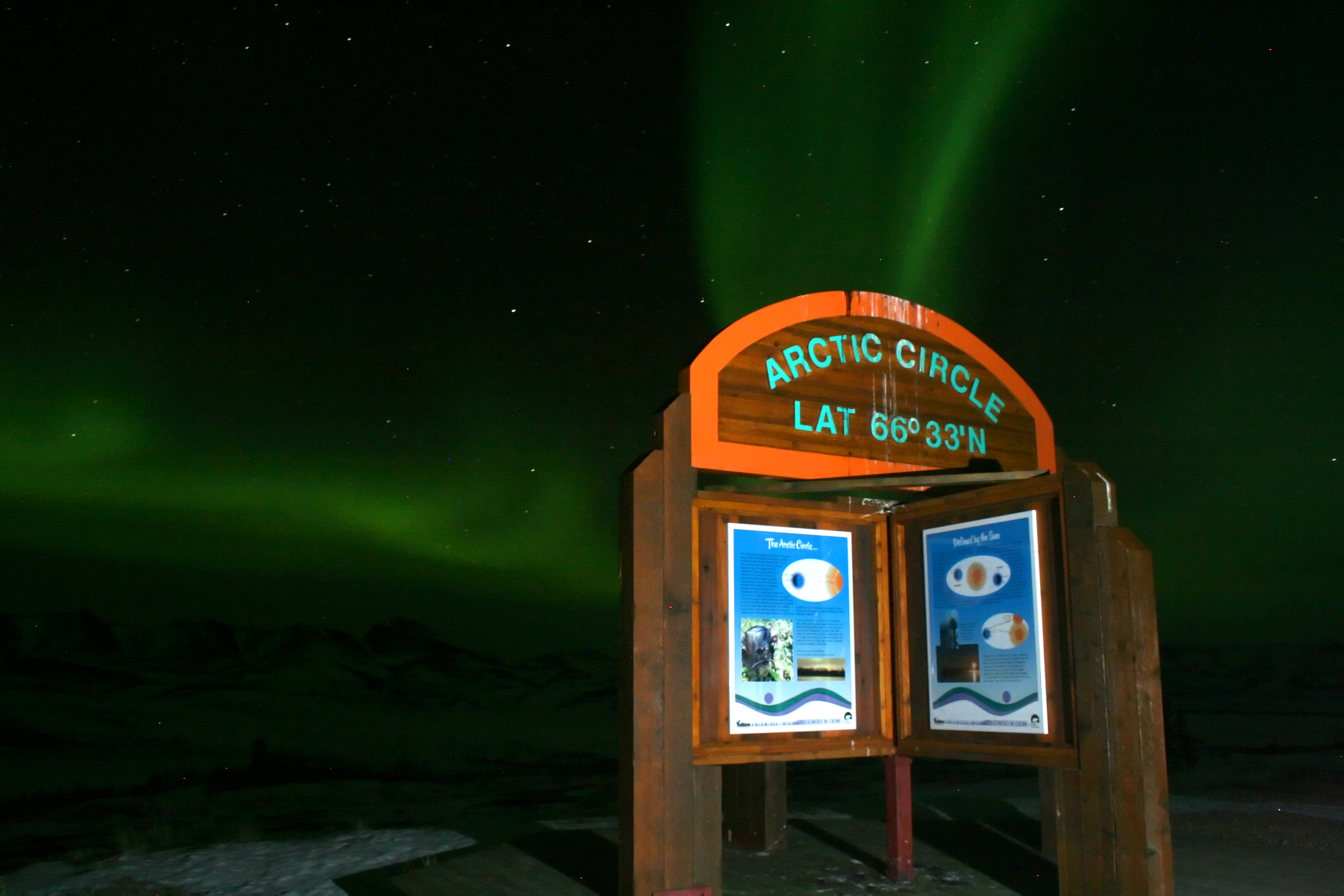
The Yukon Territory sits in the northwestern corner of Canada, bordered by British Columbia, the Northwest Territories, and Alaska. Its winters are long, dark, and often extreme — a defining feature of daily life for the roughly 45,000 people who call it home.
Temperature and Cold Snaps
Daytime temperatures in the Yukon interior regularly drop to −40°C or colder during January and February. Whitehorse, the territorial capital, typically records average winter lows around −22°C, but temperature inversions in valley bottoms can push conditions significantly lower. Communities like Watson Lake and Mayo, set in deeper valleys, frequently experience some of the coldest readings in the territory.
The practical rule at these temperatures is straightforward: no machine or body handles it passively. Vehicles require engine block heaters plugged in overnight. Without them, diesel can gel and gasoline engines may not turn over at all. Parking lots across Whitehorse are equipped with outdoor electrical outlets as standard infrastructure — a detail that surprises most visitors, but that residents consider unremarkable.
Exposed skin freezes in minutes at −40°C with any wind. Frostbite on cheeks, nose, and fingertips is a genuine risk during outdoor work. The standard approach is layering: a moisture-wicking base layer, an insulating mid-layer, and a windproof outer shell. Boots rated to −40°C or lower are considered essential, not precautionary.
Freeze-Up and Break-Up
Yukoners mark the year partly around two events: freeze-up, in late October or November, when rivers and lakes solidify, and break-up, in April or May, when ice gives way. Both transitions carry practical weight. The ice bridge near Dawson City, which crosses the Yukon River, has historically served as a vehicle crossing point during winter months, and residents monitor river conditions closely as spring approaches.
Ice thickness varies year to year depending on temperature patterns. Communities that depend on winter roads for supply shipments — including many smaller settlements along the Dempster Highway corridor — rely on territorial government ice road programs and publicly available condition updates. The Yukon government posts winter road status reports through the shoulder seasons.
Heating Homes
Most homes in Whitehorse use natural gas or electricity for primary heating. In smaller communities and rural properties, heating oil is the standard option. Firewood remains widely used as a supplement and, in some rural properties, as a primary heat source. Many households maintain significant woodpile stocks before October, often cutting and splitting through the summer months.
Proper insulation in a Yukon home is not optional. Older structures built before the 1980s often require retrofitting to meet modern energy standards and to keep heating costs manageable. The Yukon government has operated energy efficiency programs targeting residential upgrades, including insulation and air-sealing support for eligible homeowners.
Daylight in Winter
At Whitehorse’s latitude of approximately 60°N, the winter solstice brings about five hours and forty minutes of daylight. Communities farther north see considerably less. Dawson City, near the Arctic Circle at around 64°N, has roughly four hours of usable daylight in late December.
This compresses the window for outdoor tasks noticeably. By 3:30 pm in December, Whitehorse is fully dark. Residents schedule firewood collection, vehicle maintenance, and outdoor recreation around this narrow window. Some employers in the territory adjust shift patterns during midwinter to accommodate the light cycle. The psychological dimension of shortened daylight is widely acknowledged, and several territorial health resources address seasonal mood changes.
Getting Around
Winter driving in the Yukon requires studded tires or winter tires rated for ice and packed snow. The Alaska Highway, the Klondike Highway, and other paved routes are maintained by territorial highway crews, but rural roads can be impassable after heavy snowfall without appropriate vehicle clearance and local knowledge.
Snowmobiles function as practical transportation, not just recreation, for residents of properties with limited road access. The territory has an extensive documented network of snowmobile trails maintained by local clubs. Some communities use snowmobiles for regular travel between homes and to reach trap lines, firewood sources, and hunting areas.
Wildlife Interactions
Winter concentrates wildlife near roads and inhabited areas in search of food. Moose are regularly spotted along major highways and within Whitehorse itself. The city has a resident urban moose population that moves through residential streets throughout the winter months, and Yukon government wildlife officers manage encounters.
Black bears in the Yukon typically hibernate by November. Grizzly bears, however, can remain active well into that month and occasionally through it. Wolf packs have been documented within a few kilometres of Whitehorse. Standard advice from the territorial wildlife management branch focuses on awareness, not feeding wildlife under any circumstances, and securing garbage in bear-resistant containers.
Winter as a Season
Despite the practical demands, Yukon winters have their own rhythm that residents describe as distinct from winter elsewhere. Cross-country ski trails in Whitehorse are maintained by the Whitehorse Cross Country Ski Club, which grooms an extensive system of trails through the boreal forest surrounding the city. The Percy DeWolfe Memorial Mail Race — a sled dog race from Dawson City to Eagle, Alaska and back — takes place each March.
Ice fishing on lakes throughout the territory draws steady participation through the season. The Yukon Quest International Sled Dog Race, one of the most demanding sled dog races in the world at 1,600 kilometres, runs between Whitehorse and Fairbanks, Alaska each February.
People who have lived through multiple Yukon winters often describe a particular quality to the stillness in the coldest months — the silence of snow-insulated boreal forest, the clarity of cold air, the vertical columns of ice fog rising from open river channels at extreme temperatures. The territory does not make winter easy, but for those who have adapted to it, the season has a legibility that warmer climates do not offer.